
Creator Commerce vs. Traditional Affiliate Marketing: What Brands Need to Know

LinkHaitao | 2026-09-07
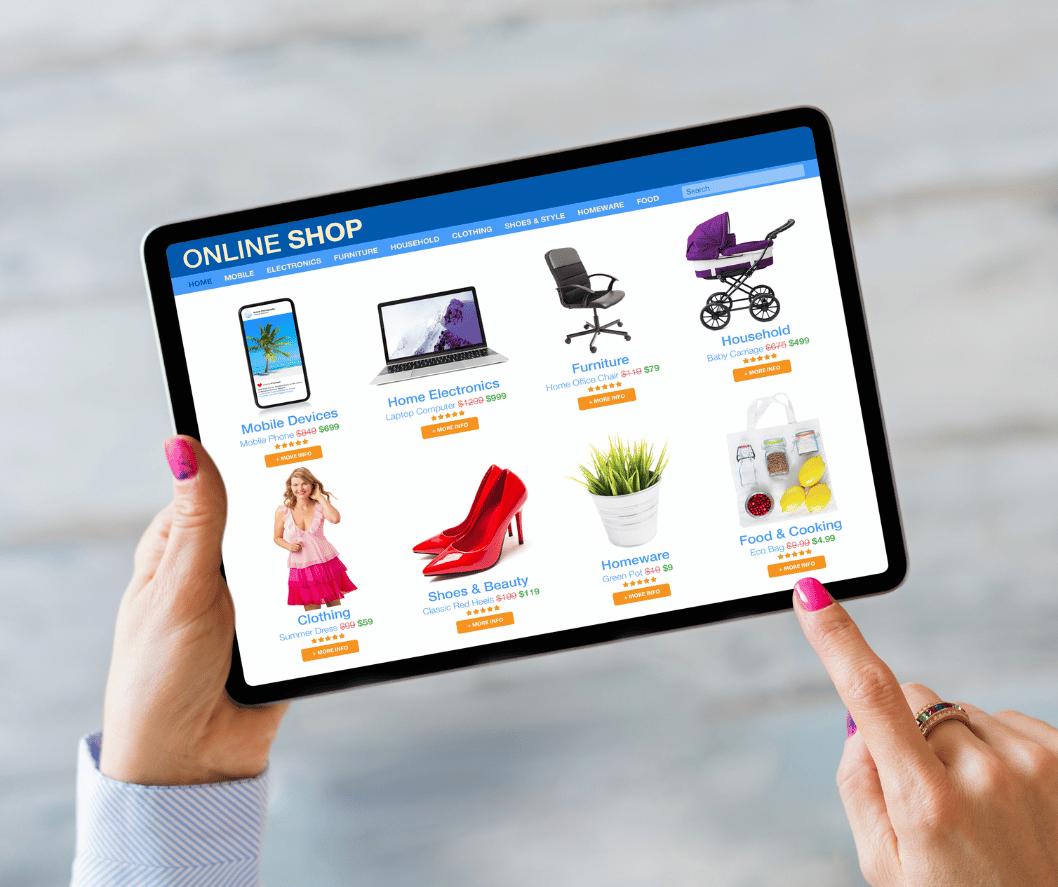
Affiliate marketing has long been one of the most reliable performance channels in digital commerce. But over the last few years, another model has emerged alongside it: creator commerce.
At first glance, the two appear similar. Both involve third-party partners promoting products and earning commissions on resulting sales. Both are measurable, scalable, and performance-oriented. Yet the way they influence consumers—and the role they play within a brand's marketing strategy—can be very different.
For brands and affiliate managers, understanding these differences is becoming increasingly important as creators play a larger role in online shopping journeys.
Traditional Affiliate Marketing: Built Around Discovery and Intent
Traditional affiliate marketing operates on a straightforward premise. Publishers, content sites, loyalty platforms, media partners, coupon websites, and review portals drive traffic to a merchant and receive compensation when a desired action occurs.
The model has proven remarkably resilient. According to Shopify, U.S. advertisers spent more than $12 billion on affiliate marketing in 2025, while the channel generated over $210 billion in U.S. ecommerce sales. The broader affiliate industry continues to grow as brands seek measurable, performance-based customer acquisition strategies.
Traditional affiliates typically excel at reaching consumers who already have purchase intent. Examples include:
-Coupon and cashback sites, which help shoppers finalize purchases.
-Review and comparison publishers, which assist consumers evaluating products.
-Editorial content sites, which capture search-driven traffic from users researching solutions.
-Loyalty and rewards platforms, which encourage repeat purchasing behavior.
Because these partners often engage consumers further down the purchase funnel, they remain highly effective for conversion-focused campaigns and incremental revenue generation.
Creator Commerce: Influence Meets Transaction
Creator commerce operates differently.
Instead of relying primarily on search traffic, discounts, or comparison content, creator commerce centers on audience trust and content-driven product discovery. Creators introduce products through videos, livestreams, tutorials, outfit posts, product reviews, and other formats that blend naturally into their content.
The distinction is that creators increasingly influence not only what consumers buy, but how they discover products in the first place.
According to Awin's 2026 Affiliate Trends report, influencer and creator representation within its Power 100 index increased by 180% compared to the previous edition, making creators one of the fastest-growing partner categories in the channel. The report also found growing creator activity across TikTok and YouTube alongside Instagram.
At the same time, social platforms continue building commerce functionality directly into their ecosystems. TikTok Shop, YouTube Shopping, and similar initiatives are reducing the distance between content consumption and checkout, allowing consumers to move from inspiration to purchase with fewer steps.
For brands, this means creators are no longer functioning solely as awareness drivers. In many cases, they are becoming transaction partners.
The Key Difference: Demand Capture vs. Demand Creation
One of the simplest ways to understand the distinction is through the role each model plays in the customer journey.
Traditional affiliate marketing often captures existing demand. Consumers are already searching, comparing, or preparing to buy.
Creator commerce frequently creates demand. Consumers may not have been actively shopping when they encountered the content, but a trusted creator's recommendation sparks interest and consideration.
This does not mean one approach is better than the other. Rather, they solve different business challenges.
Traditional affiliates often contribute strongly to:
-Conversion optimization
-Cart completion
-Price-sensitive audiences
-High-intent traffic acquisition
Creator commerce often contributes strongly to:
-Product discovery
-New customer acquisition
-Brand storytelling
-Social proof and trust-building
According to Partnerize's 2026 APAC industry insights, many brands are increasingly evaluating affiliate and partnership programs through a broader lens than last-click attribution alone, recognizing the channel's role across the full customer journey.
Why Brands Are Combining Both Models

Rather than replacing traditional affiliate marketing, creator commerce is expanding the partnership ecosystem.
Many leading brands now run integrated programs where creators, content publishers, cashback partners, loyalty platforms, and technology partners coexist within the same partnership strategy.
This diversification helps brands engage consumers at multiple stages of the buying journey.
For example:
-A creator introduces a new beauty product through a tutorial.
-A review publisher helps consumers compare alternatives.
-A coupon partner assists conversion when the shopper is ready to purchase.
Each partner contributes value at a different touchpoint.
Industry research increasingly supports this broader view. According to CreatorIQ's 2025–2026 State of Creator Marketing report, affiliate marketing is already viewed by many marketers as a significant ROI driver within creator-led strategies, particularly as social commerce adoption continues to expand.
The Future Is Partnership Diversification
The question for brands is no longer whether to choose creator commerce or traditional affiliate marketing.
The more relevant question is how to balance both.
Traditional affiliates continue delivering dependable performance and measurable sales. Meanwhile, creator commerce offers access to engaged communities, authentic product advocacy, and emerging commerce experiences happening directly within social platforms.
As consumer discovery increasingly shifts toward creator-led content, brands that treat creators as a core component of their partnership strategy—not merely an influencer add-on—may be better positioned to capture future growth.
Affiliate marketing remains the foundation. Creator commerce is expanding what's possible on top of it. Together, they represent a broader partnership ecosystem capable of driving both influence and revenue in today's digital marketplace.